Escalation Watch: What Both Sides Want in the Iran-US Conflict
The geopolitical landscape of the Middle East remains a crucible of tension, with the protracted standoff between the United States and Iran consistently at its core. Far from a simple bilateral dispute, the conflict is deeply interwoven with broader
iran regional tensions, influencing stability, global energy markets, and international security. As military rhetoric sharpens and naval forces deploy, understanding the fundamental desires and strategic objectives of both Tehran and Washington becomes paramount to deciphering the potential trajectory of this volatile relationship. Despite calls for diplomacy from regional actors, the two powers often appear locked in a dangerous cycle of pressure and defiance.
The Volatile Geopolitical Chessboard: Iran Regional Tensions at a Glance
At the heart of the current unease lies a complex web of strategic interests, historical grievances, and immediate threats. A critical flashpoint is the Strait of Hormuz, a narrow waterway linking the Persian Gulf to the open ocean, through which a significant portion of the world's oil supply passes. While considered an international waterway, both Iran and Oman assert territorial claims, making its unimpeded passage a constant source of potential friction. The economic lifeline this strait represents for nations like the United Arab Emirates underscores its global significance. For a deeper dive into this vital route, consider reading
Strait of Hormuz: Global Shipping's Volatile Chokepoint.
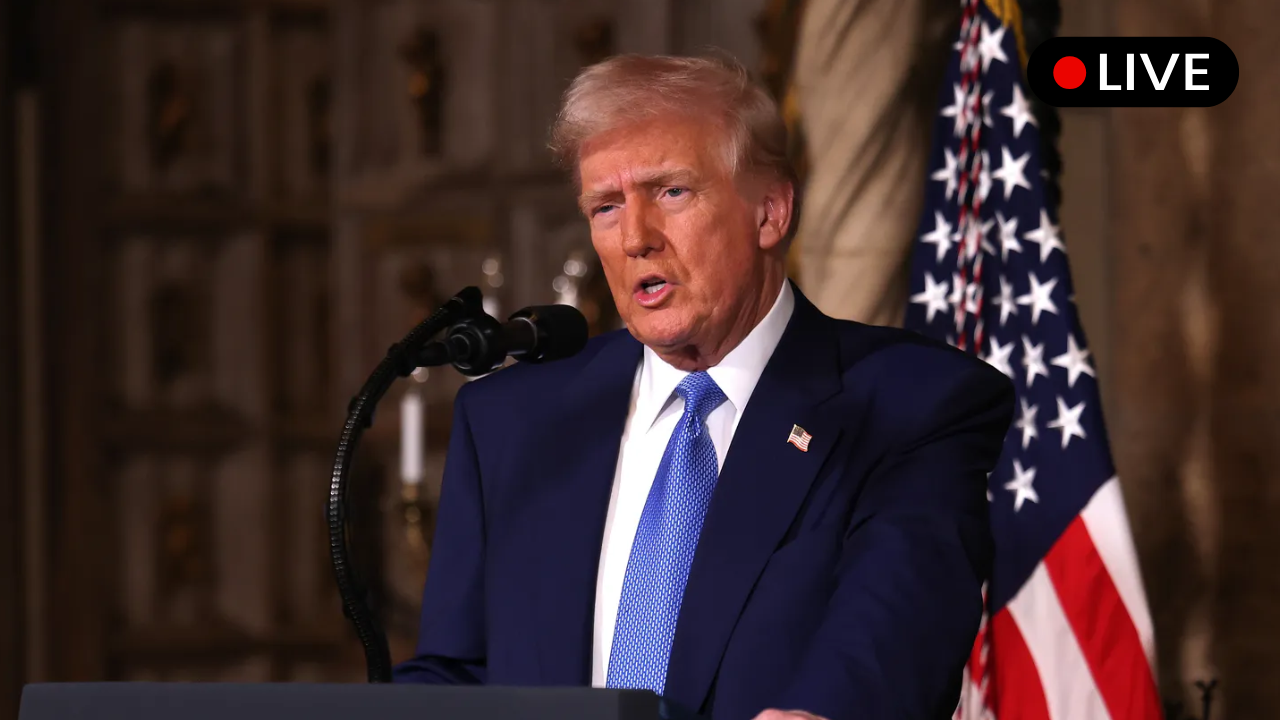
The rhetorical clashes often underscore the severity of the situation. US President Donald Trump once issued a stark warning that "time is running out" for Iran to renegotiate its nuclear program, threatening military action and even comparing the forces he was dispatching to the region to those he had previously mentioned in the context of Venezuela, where he had spoken of military options against its leader. Iran's Foreign Minister Abbas Araghchi swiftly retorted, asserting his nation's military was ready "with their fingers on the trigger" and would "immediately and powerfully respond" to any aggression.
This saber-rattling isn't without precedent. Only a few months prior to these exchanges, US bombers had reportedly targeted Iranian nuclear facilities during a 12-day conflict between Tehran and Israel. Iran's retaliatory strikes included Qatar’s Al Udeid Air Base, a key US military installation, and several Israeli cities. These events highlight a dangerous pattern of escalation and direct engagement that transcends mere rhetoric, contributing significantly to widespread
iran regional tensions.
Unpacking US Demands: A Multifaceted Pressure Campaign
For decades, US policy towards Iran has been characterized by a mix of sanctions, diplomatic isolation, and military deterrence. While historical reasons for sanctions ranged from the 1979 hostage crisis to human rights concerns, the overwhelming focus over the past two decades, particularly since the early 2000s, has been on Iran's nuclear and ballistic missile programs.
* **Nuclear Program Redux:** The primary US objective is to prevent Iran from developing nuclear weapons capabilities. While Iran insists its program is solely for peaceful energy generation, the US and several Western allies view it with deep suspicion. Washington has pushed for a "new deal" to replace or significantly augment the Joint Comprehensive Plan of Action (JCPOA) – the 2015 nuclear agreement from which the US unilaterally withdrew. This proposed new deal would aim for tighter restrictions, longer durations, and potentially address issues beyond enriched uranium, such as plutonium reprocessing. For more insights into the nuclear dimension of these tensions, explore
US-Iran Tensions: Decoding the Nuclear Standoff and War Risk.
* **Ballistic Missile Capabilities:** Beyond nuclear ambitions, the US seeks to dismantle or severely restrict Iran's ballistic missile program. Tehran’s development and testing of increasingly sophisticated missiles, which could theoretically carry nuclear warheads, are viewed as a direct threat to regional allies and US interests.
* **Regional Influence and Proxies:** The US also aims to curb Iran's extensive network of regional proxies and influence, which it sees as destabilizing. This includes support for groups like Hezbollah in Lebanon, Houthi rebels in Yemen, and various Shiite militias in Iraq and Syria. These activities, Washington argues, fuel conflicts and undermine efforts toward regional stability.
* **Human Rights and Governance:** Though less frequently highlighted in recent high-level talks, concerns about human rights within Iran have historically been a justification for US sanctions. From crackdowns on dissent to judicial practices, the US often frames its pressure campaign partly as a stand for the Iranian people.
The principal tool wielded by the US has been a regimen of crippling economic sanctions, which have devastated Iran's middle class and severely impacted its economy. These sanctions are designed to exert maximum pressure, compelling Iran to negotiate on US terms or face internal collapse.
Iran's Core Objectives: Sovereignty, Security, and Sanctions Relief
From Tehran’s perspective, its actions are largely defensive, aimed at preserving national sovereignty, ensuring security in a hostile neighborhood, and countering what it perceives as aggressive US policies.
* **Sanctions Relief:** Foremost among Iran's demands is the lifting of US economic sanctions. These punitive measures have crippled its oil exports, restricted access to international financial markets, and caused widespread economic hardship. Iran views sanctions relief as a non-negotiable prerequisite for any meaningful diplomatic engagement.
* **Legitimacy of its Nuclear Program:** Iran staunchly defends its right to a peaceful nuclear program under the Nuclear Non-Proliferation Treaty (NPT) and views calls to dismantle it as a violation of its sovereignty. While it denies seeking nuclear weapons, maintaining a robust nuclear infrastructure is seen as a matter of national pride and strategic leverage.
* **Regional Security and Influence:** Iran sees its regional influence not as destabilizing, but as a legitimate response to perceived threats from the US, Israel, and Saudi Arabia. Support for proxy groups is often framed as a means of projecting power, deterring aggression, and defending its national interests in a volatile region.
* **Guarantees Against Military Intervention:** Having experienced foreign intervention and regime change attempts, Iran demands assurances that the US will not pursue military action or regime change. The presence of US forces in neighboring countries and regular military exercises are viewed as direct threats.
* **Non-interference in Internal Affairs:** Iran is highly sensitive to any external involvement in its domestic affairs. When President Trump, for instance, voiced support for Iranian protesters, it was perceived as an unacceptable breach of sovereignty, even if he later walked back threats of bombing the nation in exchange for assurances on the protesters' safety.
The Diplomatic Tightrope: Navigating the Path Forward
The fundamental divergence in what both sides want creates an incredibly challenging environment for diplomacy. While regional nations consistently advocate for de-escalation and peaceful solutions, the distrust runs deep, exacerbated by historical betrayals and present-day military posturing.
Understanding these core demands is the essential first step toward unlocking any path to de-escalation. For the US, concessions on sanctions are often tied to significant Iranian concessions on its nuclear and missile programs. For Iran, any meaningful dialogue hinges on the respect for its sovereignty and the recognition of its security concerns.
**Practical Insights for Navigating High Tensions:**
1. **Acknowledge Red Lines:** Both sides operate with clear "red lines" that, if crossed, could trigger a rapid and dangerous escalation. Identifying and respecting these, even implicitly, is crucial.
2. **Focus on De-escalation Mechanisms:** Establishing direct, discreet communication channels could help prevent miscalculations, especially in crisis situations like accidental military encounters.
3. **Third-Party Mediation:** Regional and international actors, such as European powers, Oman, or Qatar, have historically played roles in mediating. Their sustained engagement can be vital in finding common ground.
4. **Phased Approach:** A comprehensive "grand bargain" may be out of reach. A phased approach, addressing smaller, manageable issues first, could slowly build confidence.
5. **Economic Incentives:** Any long-term solution will likely require significant economic incentives for Iran, demonstrating the tangible benefits of de-escalation and adherence to international norms.
The current trajectory, characterized by heightened military activity in the Arabian Sea and aggressive rhetoric, underscores the immediate danger. A miscalculation, an accidental encounter, or a disproportionate response could quickly spiral into a wider conflict, with devastating consequences for the region and the global economy.
In conclusion, the Iran-US conflict is a deeply entrenched power struggle, fueled by a complex interplay of security concerns, economic imperatives, and ideological differences. The US seeks to roll back Iran's nuclear and missile capabilities and diminish its regional influence, primarily through crippling sanctions. Iran, in turn, demands sanctions relief, recognition of its sovereignty, and security guarantees, while defending its nuclear program and regional posture. The consistent presence of
iran regional tensions means that the path forward requires an astute understanding of these opposing demands and a concerted, multilateral effort to foster dialogue, prevent miscalculation, and ultimately, find a sustainable framework for peace in an increasingly volatile part of the world.